
ADRA Uganda is responding to the Ebola Bundibugyo risk in Zombo, Nebbi, Pakwach and Arua, areas that serve as key entry points for people transiting from the Democratic Republic of Congo into Uganda.
Working with the National Ministry of Health, District Task Forces, local governments, Village Health Teams, faith leaders and community structures, ADRA is supporting efforts to prevent transmission and protect communities most at risk.
The response focuses on sharing trusted Ebola prevention messages, strengthening community awareness, promoting hygiene, supporting early reporting, and helping reduce fear, stigma and misinformation. Its also supporting the training of District Task Forces.
ADRA is reaching communities through radio messages, spot messages, interactive talk shows, and trained community volunteers. The organisation is also supporting selected public places with handwashing stations, soap, sanitizers, jik, waste bins, masks and gloves.
These activities are designed to help families act quickly, protect themselves and know when and where to seek help. ADRA’s response is expected to reach about 90,000 people, with special attention to vulnerable groups including children, women, older persons, persons with disabilities and households facing heightened risk.
By working through trusted local networks, ADRA is helping turn national Ebola response plans into practical action at community level, where timely information and prevention can save lives.
These districts have been classified as high-risk because of their proximity to the DRC and the presence of major transport corridors and border crossing points, which increase the likelihood of cross-border transmission of the Bundibugyo strain of Ebola Virus Disease.
Despite ongoing efforts, significant resource gaps remain, limiting the ability to effectively reach vulnerable populations in communities, schools, places of worship, markets, transport hubs, and border crossing points.
Current assessments highlight an urgent need to strengthen community awareness campaigns, cross-border coordination meetings, church-based outreach, hygiene promotion, surveillance support, psychosocial services, rumor management, and the continuity of essential health services to curb the spread of the disease
Uganda has reported 19 confirmed cases including two deaths, as well as one probable case who has died. In Uganda, the outbreak remains epidemiologically linked to transmission originating in the Democratic Republic of the Congo, with evidence of both imported infections and secondary transmission among contacts and healthcare workers.
Since the last Disease Outbreak News was published on 29 May 2026, the number of confirmed cases and deaths have increased rapidly in the Democratic Republic of the Congo and Uganda.
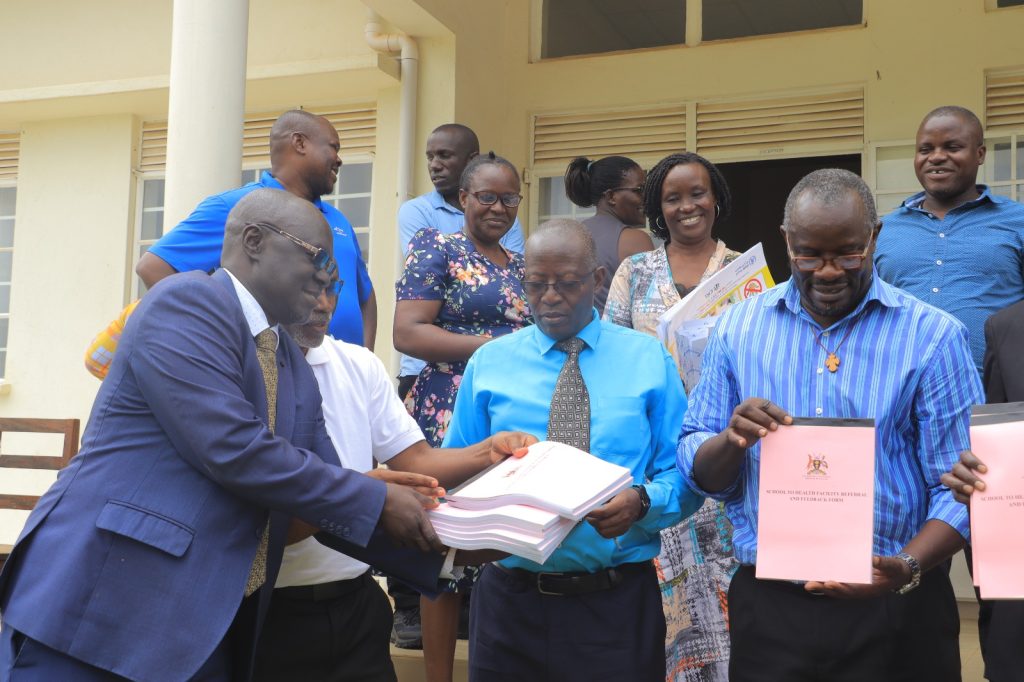
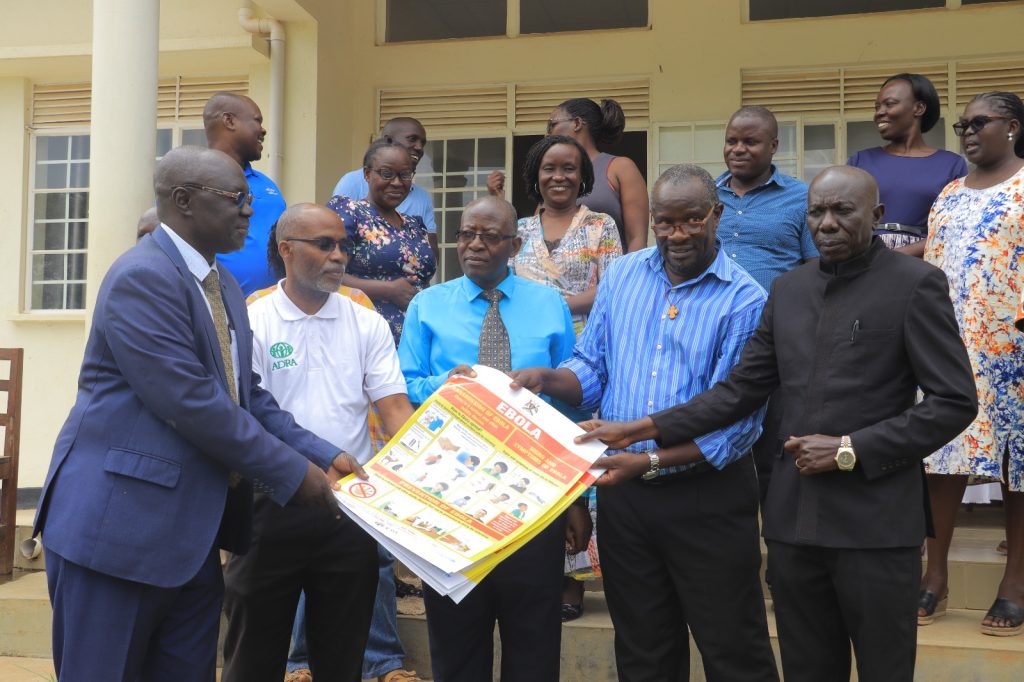
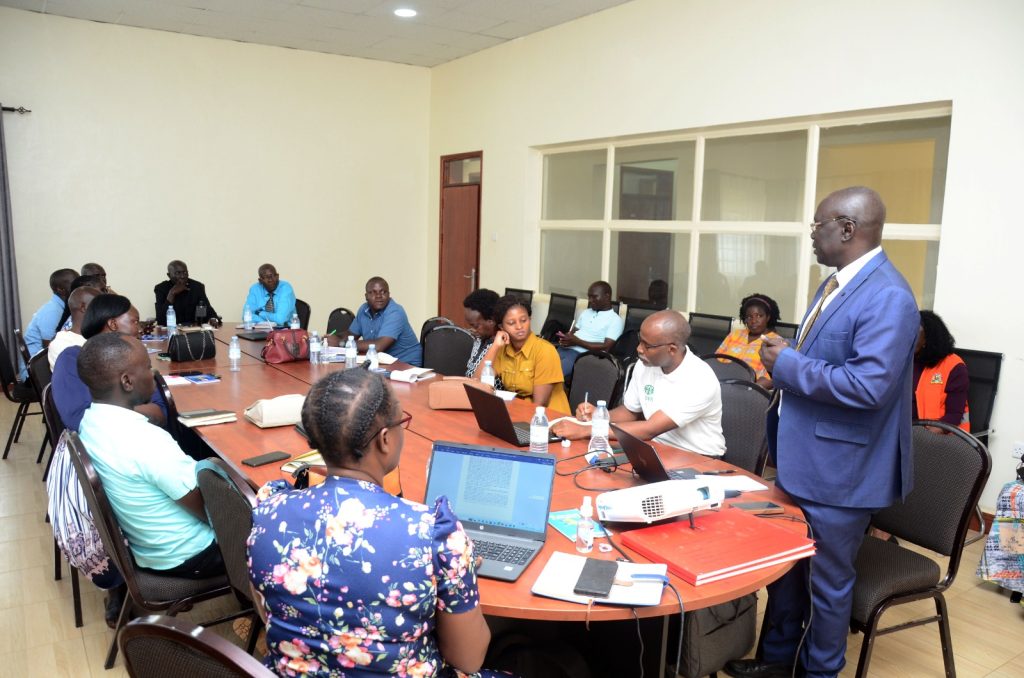
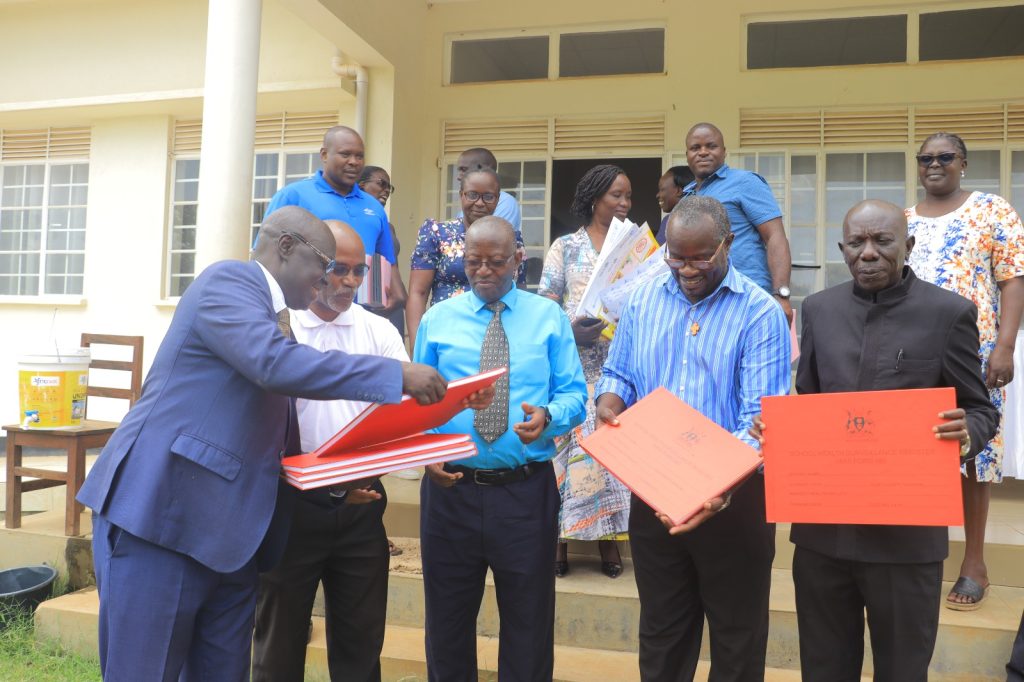
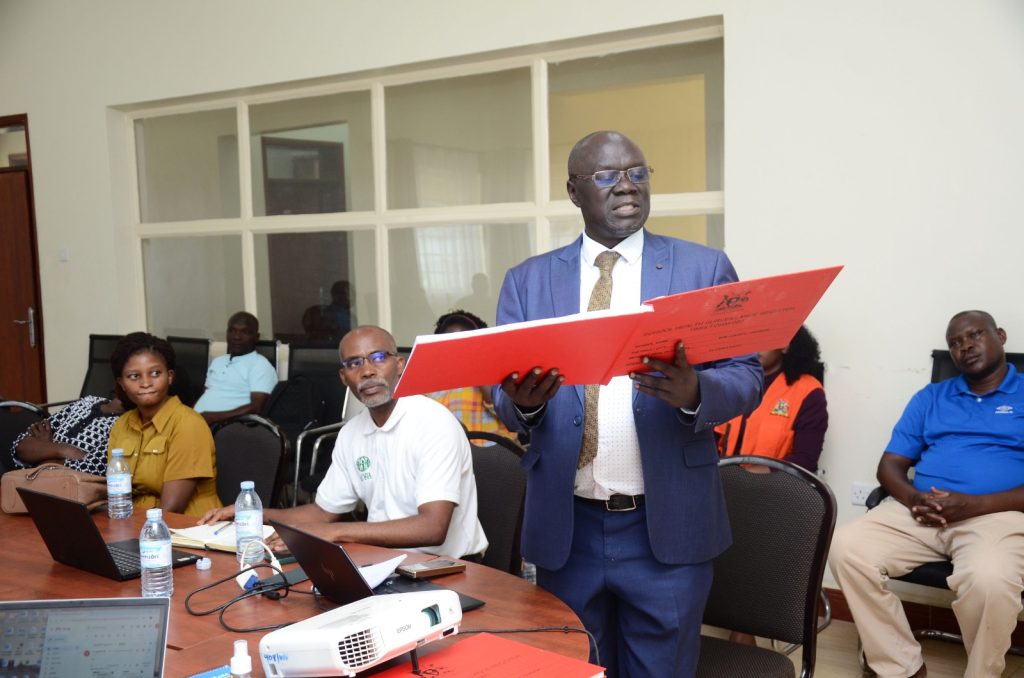
Nebbi district Ebola task force receiving some of the IEC materials from ADRA- Uganda